What to Do When Your Car Breaks Down in Aurora or Naperville
October 22, 2026 | Roadside Assistance
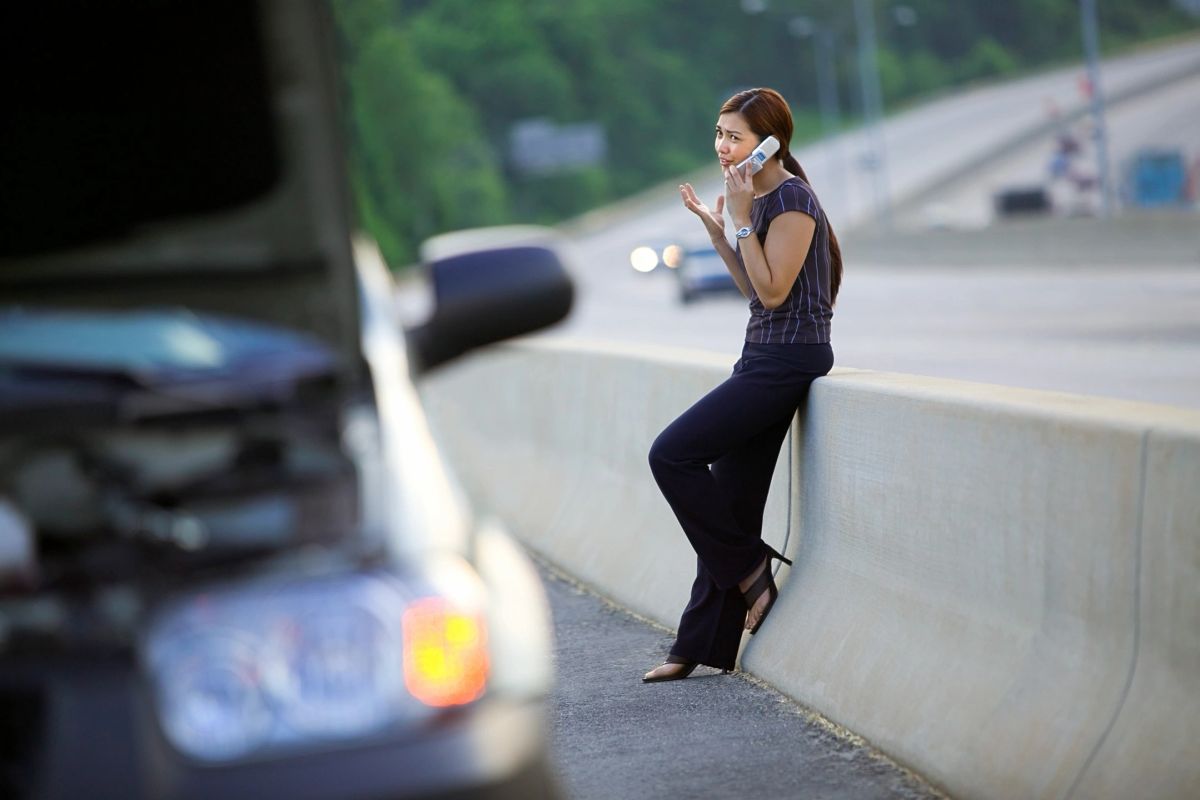
Your car starts making a noise you've never heard, a light comes on, and then it's coasting to the shoulder. Whether it happens on I-88, Route 59 in Naperville, or a side street in Aurora, the first few minutes matter most. Here's what to do, in order.
1. Get out of traffic
Signal, slow down, and get as far to the right as you can. A parking lot or side street is better than a highway shoulder if you can reach one. Turn on your hazard lights right away.
2. Decide whether to stay in the car
On a busy road, staying buckled in the car is usually safer than standing next to it. If you smell smoke or fuel, get out and move well away from the car and the road. If it's dark, keep your interior light on so other drivers can see you.
3. Figure out roughly what happened
You don't need to diagnose it, but a couple of details help whoever comes out:
- Clicking or nothing when you turn the key: usually the battery. See jump starts.
- Thumping, pulling, or the car sitting low on one corner: a flat tire.
- Sputtering and then stalling with a low gauge: you're probably out of gas.
- Keys on the seat and doors locked: a lockout.
- Check engine light, rough running, or warning lights: engine diagnostics.
4. Know exactly where you are
Look for a mile marker, exit number, cross street, or business name. Drop a pin on your phone's map so you can text it. That saves time.
5. Call for help
If anyone is hurt or the car is in a dangerous spot, call 911 first. For everything else, a lot of breakdowns don't need a tow at all. A jump, a tire change, or a few gallons of gas gets most people moving again where they are.
Kevin's Roadside is based in Aurora and covers Aurora, Naperville, Oswego, Montgomery, North Aurora, Plainfield and Yorkville, 24/7. Call or text 630-984-0404 with where you are and what happened. We take credit cards, tap to pay, and payment links (fees apply).
6. Keep a small kit in the car
Jumper cables or a portable jump starter, a flashlight, a phone charger, water, and a warm layer in winter. Check your spare's air pressure a couple of times a year. For more, see our roadside safety tips.
Want to see everything we do? Browse all services.